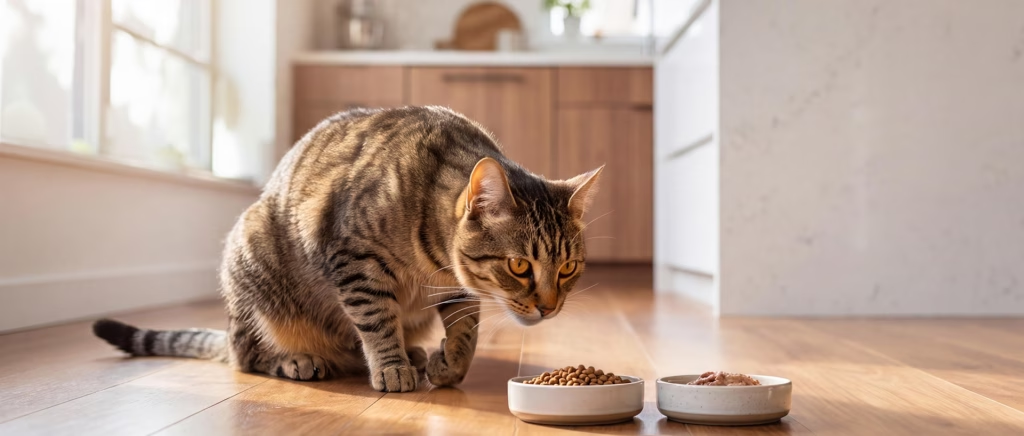
If you’ve ever set down a fresh bowl of food only to have your cat walk away without a second glance … you’re not alone. It can feel frustrating, especially when you’re trying to do the right thing.
But what if your cat isn’t being difficult? What if they’re just holding out for something better?
The truth is that many “picky” cats aren’t picky at all. They’re selective and thoughtful. Once you understand what they’re really looking for, mealtime can become something you both feel good about again.
Why Some Cats Seem So Picky
Cats experience food differently than humans, and even differently than dogs. They rely heavily on:
- Aroma (More than taste.)
- Texture (Smooth vs. Crunchy)
- Temperature (Room-temp or warm foods can be more appealing.)
- Consistency (They notice subtle changes.)
So, when your cat turns away from their bowl, it’s often because something doesn’t meet their expectations, not because they’re trying to be difficult. Think of it like this: If you were served the same meal every day, wouldn’t you eventually lose interest, too?
When Treats Take Over
One of the most common concerns pet parents have is: “Why does my cat only want treats?”
Treats tend to be more aromatic, higher in fat, designed to be ultra-rewarding. So naturally, they can outshine everyday dry food. Your cat isn’t choosing treats just to be stubborn—they’re responding to flavor, smell and satisfaction.
Which means the solution isn’t taking something away. It’s making their meals just as enjoyable.
What Cats Actually Want From Their Food
If picky cats are really foodies, what’s on their “menu?”
- Real, noticeable flavor: Cats respond to foods that smell rich and appetizing the moment they hit the bowl.
- Appealing texture: Some prefer soft, others like variety—it’s all about sensory experience.
- Foods that feel good: Cats can be sensitive to digestion. If something doesn’t sit well, they may avoid it next time.
- A sense of comfort and consistency: Cats love routine. When they trust what’s in their bowl, they’re more likely to come back.
This is where Nutrish’s home chef-inspired thinking comes in, food that feels thoughtfully made, with care behind every ingredient and every bowl.
Signs Your Cat Might Be a “Foodie”
Not sure if your cat is truly picky or just selective?
Here are a few signs:
- Sniffs food, then walks away
- Eats treats eagerly but ignores meals
- Prefers certain textures or flavors
- Changes interest quickly after a few days
- Returns to food later when it smells stronger or fresher
If any of these sound familiar, your cat isn’t rejecting food, they’re searching for something better.
What About Feeding Schedules?
Feeding habits matter just as much as what’s in the bowl.
- Set mealtimes can encourage appetite.
- Free feeding can reduce excitement around food and potentially cause overeating.
- Routine builds trust and that trust leads to better eating habits.
If your cat seems uninterested in meals, adjusting their feeding schedule might help bring back that enthusiasm. Cats can also be particular about how their food is served. Some prefer wet and dry food in separate dishes, while others prefer either a raised feeder or a traditional floor-level bowl. Together, these small changes can go a long way toward encouraging a picky cat to eat.
Explore More Ways to Keep Mealtime Exciting
Looking for additional tips and inspiration for feeding routines and pet nutrition? You can explore more ideas here.