Dog Facts:
- Dogs have ~1,700 taste buds vs. ~9,000 in humans.
- They can taste sweet, sour, salty and bitter (plus water-specific receptors)!
- Their sense of smell dominates, up to tens of thousands to millions of times stronger than humans.
Flavor Is So Much More Than Taste
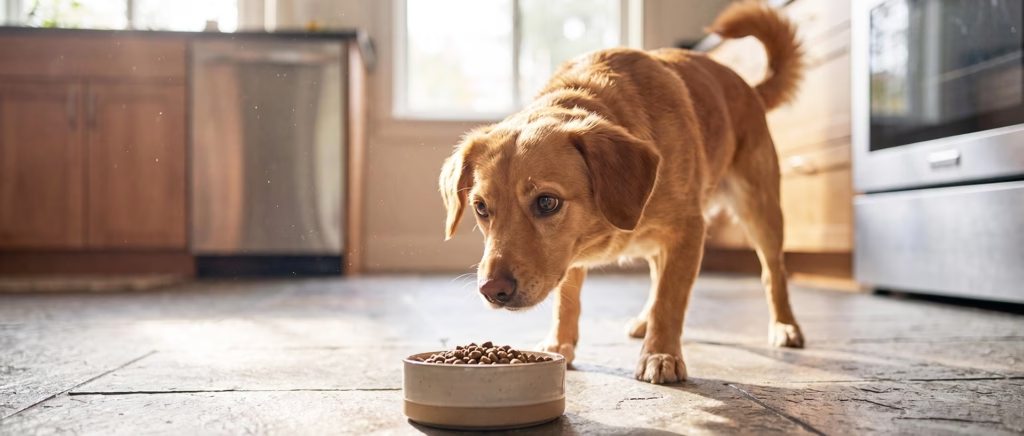
Ever notice how your dog reacts to their food before reaching the bowl?
That tail wag … that eager sniff … that little moment of anticipation.
It’s not just hunger, it’s how dogs experience flavor.
Because while dogs do have taste buds, the way they experience food is very different from the way we do—and understanding that can change how we think about what goes into their bowl.
Do Dogs Have Taste Buds?
The short answer: Yes, dogs absolutely have taste buds. But here’s the twist. Dogs have far fewer than we do. While humans have around 9,000 taste buds, dogs have closer to 1,700.
That means their sense of taste isn’t as detailed or complex as ours. They still recognize basic flavors like sweet, sour, salty and bitter, but they’re not picking up subtle differences the way we might. So, if dogs have a more limited sense of taste … why do they get so excited about food?
Flavor Starts with the Nose
Here’s where things get interesting: For dogs, smell is everything.
A dog’s sense of smell is dramatically stronger than ours. So powerful that it shapes how they experience the world, including what they eat. In fact, aroma plays a bigger role in how dogs “taste” their food than their taste buds do. If something smells appealing, chances are your dog thinks it tastes great, too.
That’s why your dog often:
- Sniffs their food before eating
- Gets excited the moment they smell dinner
- Prefers foods with richer aromas
To them, flavor isn’t just about taste, it’s a full sensory experience.
Can Dogs Taste Sweetness (and Other Flavors)?
Even with fewer taste buds, dogs can still enjoy a range of flavors.
They can detect:
- Sweet (often linked to energy-rich foods)
- Savory/umami (especially associated with meat)
- Sour and bitter (helpful for avoiding unsafe foods)
Interestingly, dogs also have something we don’t: special taste receptors for water, which may help encourage them to stay hydrated. But compared to humans, their ability to taste sweetness and subtle flavor differences is more limited—which is another reason smell takes the lead.
Why Dogs Sniff Everything (Including Their Food)
If you’ve ever walked your dog, you already know they stop to sniff everything.
That’s because sniffing is how dogs gather information about the world. It’s their version of reading, exploring and understanding what’s around them.
And that applies to food, too. Each sniff builds anticipation—and helps them decide if it’s worth devouring. Before your dog takes a bite, they’re already learning:
- Is this fresh?
- Is it safe?
- Does it smell delicious?
What This Means for Your Dog’s Bowl
When it comes to feeding your dog, taste is just one piece of the story. What really matters is the whole experience:
- The aroma
- The texture
- The moisture
- The flavor
- The way everything comes together
Because your dog doesn’t just taste their food—they experience it. That’s why dog recipes inspired by real, thoughtful, home chef-inspired recipes can make such a difference. When ingredients are chosen with care and crafted with flavor in mind, it creates something your dog can enjoy with every sense.
From Sniff to Savor: Bringing It All Together
So, do dogs have taste buds? Yes, but the better question is: How do dogs experience flavor?
Through a powerful combination of smell, taste and instinct, every meal becomes more than just fuel. It becomes a moment of excitement, curiosity and joy. And as pet parents, those are the moments we love to see most. Because when your dog is truly enjoying what’s in their bowl …
you know you’re doing something right.
Looking for more ways to make mealtime special? Rachael Ray® Nutrish™ Bowl Building Recipes combine your dog’s favorite flavors, textures and ingredients, to create an engaging mealtime experience that you and your dog will love.